Abilene Septic Systems: Aerobic Septic System Installation in Abilene, TX
Abilene Septic Systems is a licensed and insured OSSF installer serving unsewered property across Abilene, Merkel, Clyde, and the Big Country of West Texas. We install aerobic treatment systems, convert failed conventional systems, handle the county permitting, and carry the maintenance contracts the state requires. Our customers are homeowners on Taylor County acreage, builders on tracts past the sewer, lakeside owners near the area's reservoirs, and owners of old fields that finally quit.
Out here the soil makes the decision, and it nearly always says aerobic. Taylor County ground is heavy clay over caliche, a cemented layer that refuses water, and a conventional trench field needs soil that drains. It does not exist on most of these lots. An aerobic unit treats the waste inside the tank with forced air, then sprays the clean, disinfected water over a small area, so the ground has little to do. We read the soil first, find the caliche, and quote off the result rather than over the phone.
Call for a Free Estimate- Licensed and insured OSSF installer in TX
- Soil evaluation before any number
- Aerobic spray systems built for clay and caliche
- County permit pulled before a machine moves
- Maintenance contracts carried and serviced
Aerobic Septic Installation
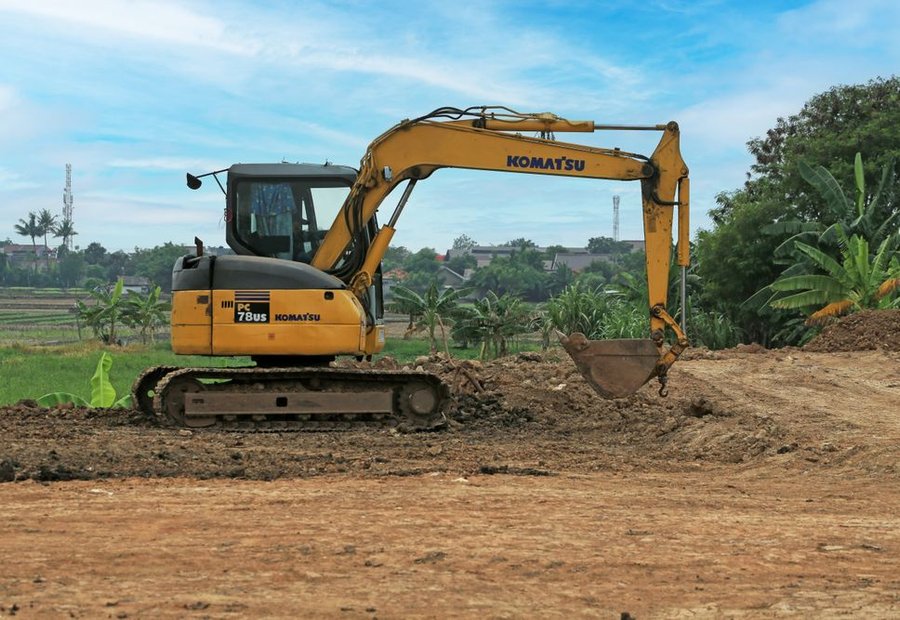
An aerobic system blows air through the treatment tank so the bacteria actually treat the waste, and the water leaves clean enough to spray on the surface. On Taylor County clay over caliche, which will not take water, that shallow spray design is usually the only system that passes.
We run the whole job: evaluation, design, county permit, tank set, electrical, and the spray dispersal, with the inspection before cover. More on aerobic septic installation.
Conventional vs Aerobic
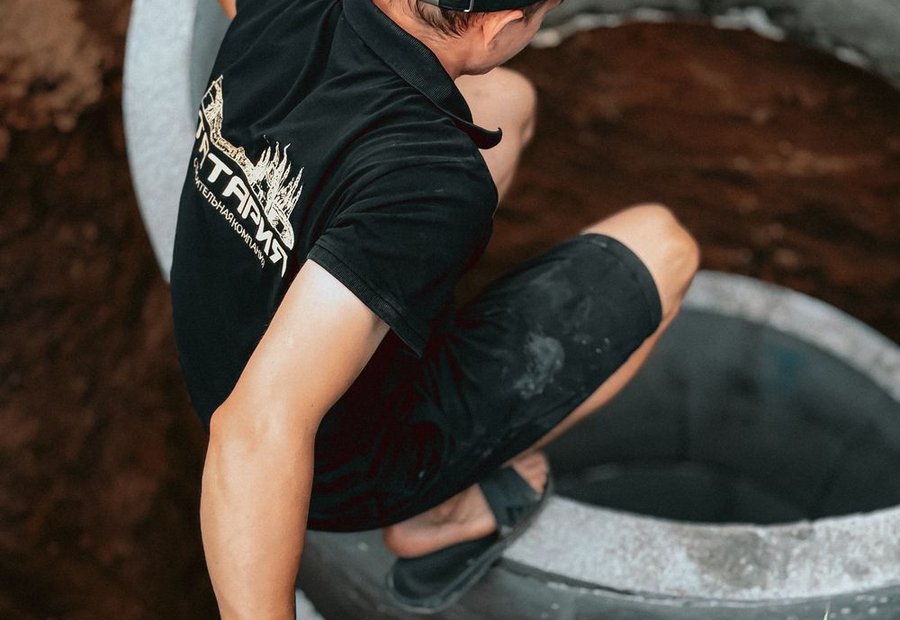
Conventional costs less and runs on nothing, but needs soil that drains, which is scarce here. Aerobic costs more and carries power, chlorine, and a required contract, but works on the clay and caliche that cover the county.
Around Abilene the question is usually not which is better, but which the ground will pass. Compare the two systems.
OSSF Permitting and County Coordination
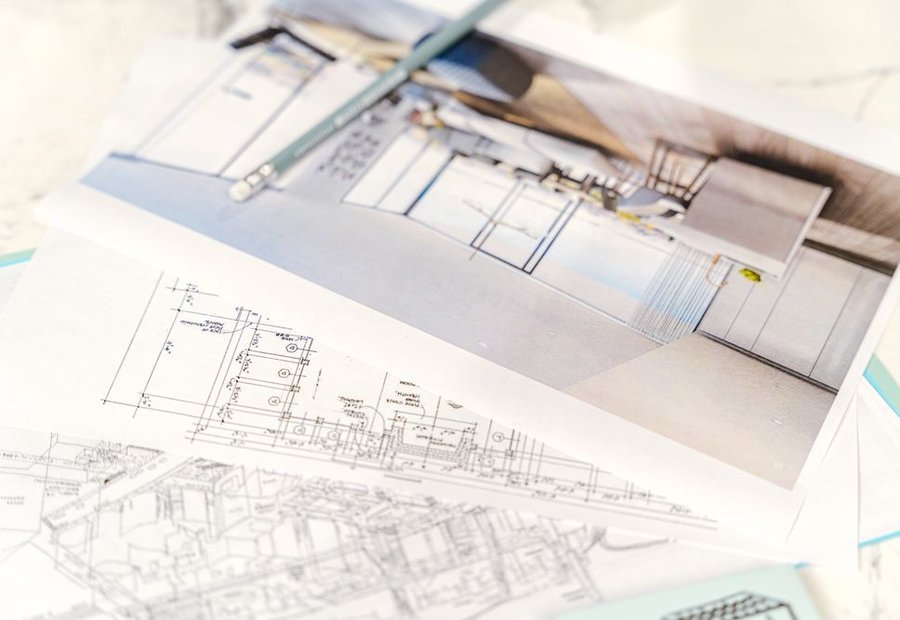
A septic job in Texas is a permitting job, and on a spray system the permit carries extra detail. The county acts as the Authorized Agent that reviews the design, issues the permit, and inspects the install. A complete package clears review.
We assemble it and file with the right county, since this area crosses Taylor, Callahan, Jones, and Nolan. More on OSSF permitting.
Aerobic Repair and Maintenance
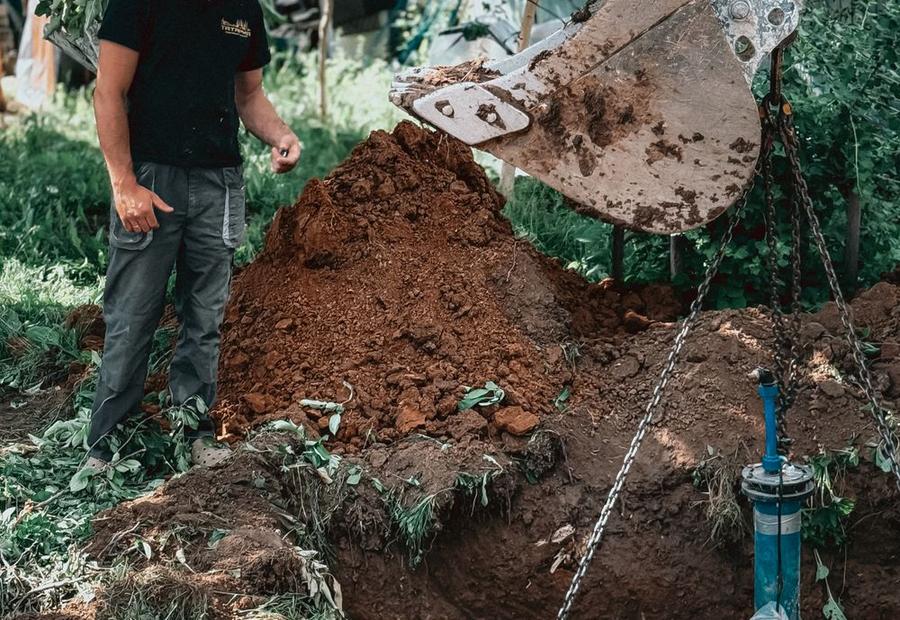
An aerobic spray system has a blower, a pump, floats, spray heads, and disinfection, and all of it needs service. A weak blower starves the treatment, a failed pump floods the tank, and empty chlorine sprays under-disinfected water. The alarm warns you first.
We repair all of it and carry the required maintenance contract, on our systems and on systems we did not install. More on repair and maintenance.
Site and Soil Evaluation
A soil evaluation reads the profile and finds the depth to caliche, which out here is the finding that decides the whole design. A percolation rate alone would miss it. The report sizes the system and confirms it must be aerobic, which on this ground it usually must.
The evaluation comes before the price. Buying a lot? Find the caliche before you close. More on soil evaluation.
Why Big Country Owners Call Us
- We find the caliche before we quote. The depth to that cemented layer decides the whole design out here, and it is often closer to the surface than a lawn suggests. Start with site and soil evaluation.
- We build for clay, not against it. A deep conventional field fights this soil and loses. A shallow aerobic spray system rides above the caliche and works. See conventional vs aerobic.
- We handle the spray setbacks. Sprayed effluent has to stay back from wells, lines, and water, and on a small lot that is the hard part of the permit. See OSSF permitting.
- We keep the chlorine current. A dry-climate spray system burns through disinfection, and the maintenance contract is what keeps it topped up and legal. See repair and maintenance.
- We account for hard digging. Dry clay and caliche are slow to cut, and we price that in rather than discovering it on the day. See aerobic installation.
- We file in the right county. Abilene is Taylor, but Clyde is Callahan, Anson and Hawley are Jones, part of Trent is Nolan. Each permits its own.
How an Aerobic System Actually Works
Most people picture a septic system as a tank and a field. The aerobic spray systems standard around Abilene are a different machine, and knowing how they run explains every cost and rule attached to one.
Air Does the Treatment
A conventional tank is sealed and airless, and its bacteria only separate the waste. An aerobic unit pumps air in with a blower, and oxygen-fed bacteria digest the waste far more completely. The water that comes out is clean enough to put on the surface. That is the whole reason the system exists, and it is why the blower runs around the clock.
Treat, Settle, Disinfect, Spray
Waste passes through a trash tank, then the aeration chamber, then a clarifier that settles the last solids. The clean water is disinfected, usually with a wastewater chlorine tablet, before a timed pump sends it to the spray heads. Each stage leans on the one before it, so losing the air or the chlorine weakens everything downstream.
Why the Spray Works Here and a Field Does Not
A conventional field is large and deep because the soil has to treat the water as it soaks down. Clay over caliche will not soak it down at all. An aerobic system already treated the water, so the ground only has to receive a light, disinfected spray across the surface, which the dry West Texas climate handles easily. That is why the shallow spray design fits where a buried field cannot.
What the System Needs From You
Power for the blower and the spray pump. Chlorine kept up so the spray is always disinfected. And a maintenance contract, required by the state, that keeps a licensed set of eyes on the system several times a year. A system run without those drifts toward a failure and a code problem at once.
The Alarm Earns Its Keep
The control panel watches the water level and the blower. A high-level alarm means the water is not leaving; a blower fault means the treatment lost its air. Either one warns you days before the yard or the house shows it. A conventional system gives no such warning. Answering the alarm early is the difference between a service call and a cleanup.
How an Aerobic Install Runs
Read the Site
We walk the lot, find the well and the lines, then open a soil pit or boring to read the profile and, above all, the depth to caliche that decides the design.
Design to the Soil
The soil result sizes the system and lays out the spray area. The design holds every setback from the well, the lines, and any surface water.
Permit
We file the package with the county that covers your parcel, answer the reviewer, and wait for the permit before a machine moves.
Install and Inspect
Tank set level, blower and panel wired, spray lines laid to their setbacks. The county inspects while everything is open, before cover.
Start Up and Contract
We start the unit, confirm every head throws right, backfill and grade, and set up the first maintenance contract the state requires.
What Moves the Price of an Aerobic System
Nobody can quote an aerobic system over the phone, and any site that prints one number for the Big Country is guessing. On live searches, installed aerobic systems run roughly eight to twenty thousand dollars, and where a job lands in that range comes down to a short list.
The soil and the caliche lead it. How shallow the caliche sits, and how hard the ground is to cut, set the dig cost and the dispersal layout. A lot with deep, workable soil costs less than one where caliche is a foot down.
The house size is next. Flow is sized off bedroom count, so tell us the real number, including any future addition, before the design.
Then the lot itself:
- How much spray area the soil and flow require
- Slope, and whether the spray has to follow a contour
- Setbacks from a well, property lines, or a lake
- Access for the machine and how far spoil is hauled
- Whether an old failed system has to be pumped and abandoned first
- The run of the power feed to the blower and panel
This is why the evaluation comes before the number rather than after it. A quote written before anyone finds the caliche is a guess wearing a letterhead.
Frequently Asked Questions
How much does an aerobic septic system cost around Abilene?
On current local searches, installed aerobic systems run roughly eight to twenty thousand dollars. Where a job lands depends on how shallow the caliche sits, the house size that sets the flow, the spray area the soil requires, the slope and setbacks, and whether an old system has to come out first. The soil evaluation comes before the number, because the ground sets the design.
Why is almost every system here aerobic?
Because the ground is clay over caliche, and neither takes water. A conventional trench field needs soil that drains and depth above any hard layer, and most Taylor County lots have neither. An aerobic system treats the waste in the tank and sprays the clean water on the surface, so the soil has little to do. On this ground it is usually the only design that passes, and the evaluation confirms it.
Do I have to keep a maintenance contract?
Yes. Texas rules require an aerobic system to stay under a maintenance contract with a licensed provider. The installer carries the first two years on a new system, then it renews. On a spray system the visits also keep the chlorine current, which a dry-climate system burns through. A lapse is a code violation and leaves a spraying system unwatched. We set the first one up and keep the service on schedule.
Which county issues my permit?
It depends where your lot sits, and this area crosses several counties. Abilene is in Taylor, but Clyde is Callahan, Anson and Hawley are Jones, and part of Trent is Nolan. Each runs its own OSSF permitting under the same state rules. Filing with the wrong one costs weeks, so we confirm the right authority before we submit.
My old conventional system failed. Do I have to go aerobic?
Usually, yes. When an old field seals on clay, there is rarely soil good enough to build a new conventional field that will not fail the same way. Converting to an aerobic spray system is the route that passes and lasts. It takes a fresh soil evaluation, a new design, and a county permit, because it counts as a new system. We look at what is in the ground before recommending anything.
My aerobic alarm is on. What do I do?
Silence the audible buzzer if you can, cut water use in the house, and call. A high-level alarm means the water is not leaving, which points at a pump, a float, or the spray heads. A blower fault means the treatment lost its air. Neither fixes itself, and the alarm is buying you time before the yard or the house shows it.
Does the sprayed water waste water in a dry climate?
Not really. An aerobic system sprays treated, disinfected water across a set area, and in this dry climate that water lands on ground that can use it. It is not an irrigation system and the code controls where and when it sprays, but the water is not wasted the way people fear. The design sets the spray area to handle the home's flow with margin.
Do you work outside Taylor County?
Yes. We work Taylor, Callahan, Jones, and Nolan counties and the towns in them, including Merkel, Clyde, Tye, Buffalo Gap, Tuscola, Trent, Anson, and Hawley. Each county permits its own systems under the same state rules, and we file with the right one. Call and tell us the parcel.
Clay, Caliche, and the Dry-Country Answer
The Big Country hands a septic installer one dominant problem, and it runs under nearly every lot: ground that will not take water. That single fact is why aerobic spray systems are the standard here rather than the exception.
Start with the clay. Taylor County sits on expansive clay that swells when the rare rain comes and cracks wide open through a dry summer. That shrink-swell movement stresses anything buried in it, and the clay itself sheds water instead of soaking it in. A conventional trench field needs soil that drains, and this clay is close to the opposite.
Then the caliche. Under much of this country runs caliche, a hard, cemented layer of calcium carbonate that forms in dry climates. Water barely moves through it, and it is slow and costly to cut. A conventional field needs depth above any hard layer for the soil to treat the effluent, and shallow caliche denies that depth. Finding where the caliche sits is the headline of nearly every soil evaluation out here, and it is what sends the design to a shallow aerobic system.
The dry climate, oddly, is the part that makes it all work. An aerobic system sprays treated, disinfected water on the surface, and in a climate this dry that water lands on ground that can use it rather than pooling. Add the acreage growth around Abilene pushing homes out past the sewer, and this market runs on both new spray-system installs and the replacement of old conventional fields that the clay finally beat.
Aerobic Septic Across the Big Country
We work unsewered property across Taylor County and the counties around it. Sewer here stops at the city edges, and everything past those lines runs on septic. That covers Merkel and Tye west along I-20, Clyde east in Callahan County, Buffalo Gap and Tuscola south in the Jim Ned valley, Trent out on the Nolan County line, and Anson and Hawley north in Jones County.
Ready to Get Your Lot Looked At?
Call (325) 555-0134 for a free estimate. Tell us the parcel, how many bedrooms the house has or will have, whether there is an old system in the ground, and whether you are building new or replacing a field that failed. We will tell you straight whether you are looking at a repair, a conversion, or a new aerobic system, and what the soil work and the caliche have to settle before anybody can price it.